 English
 العربية

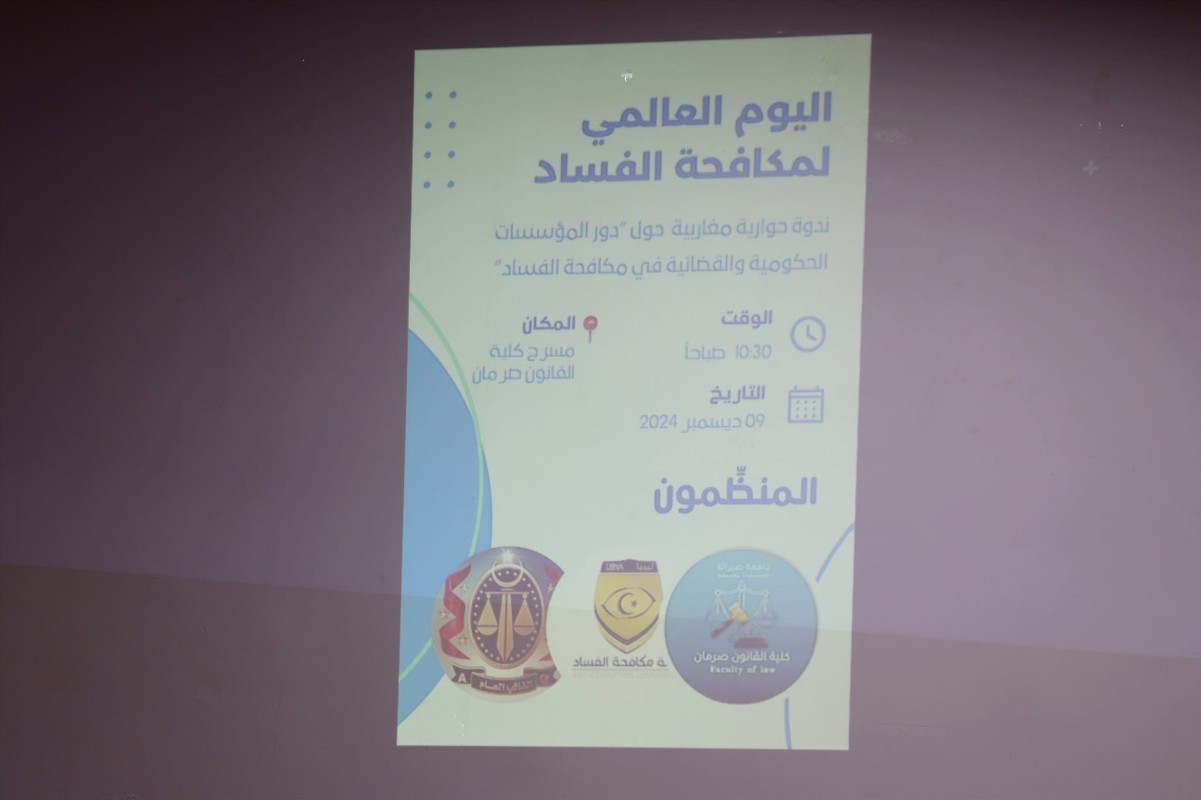
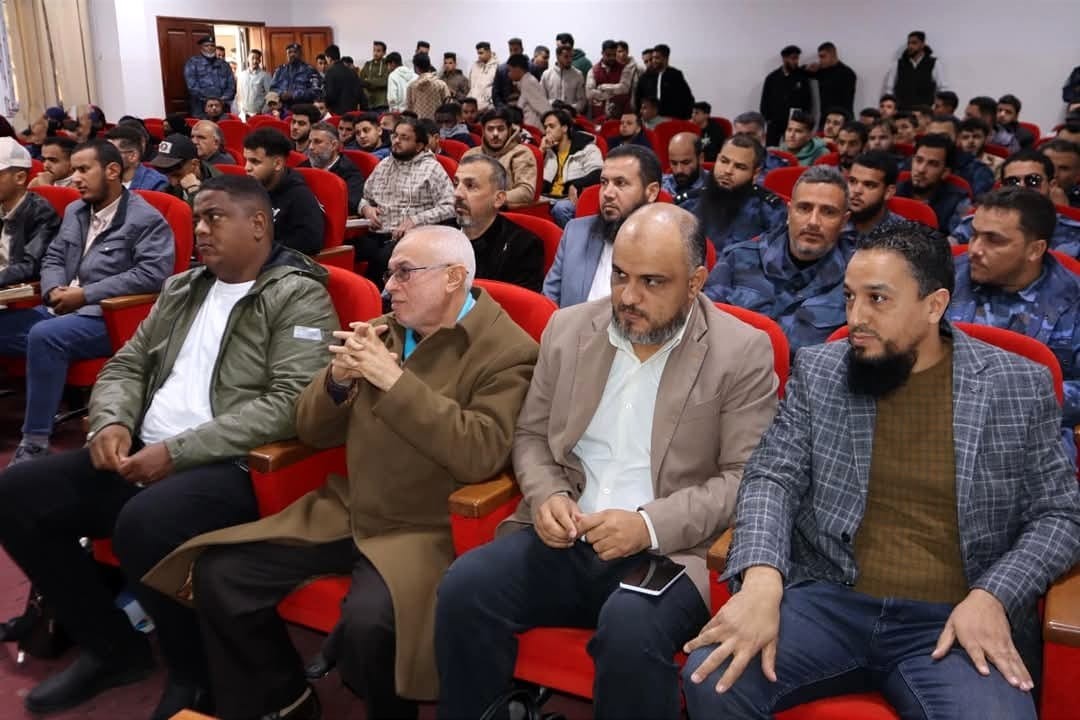
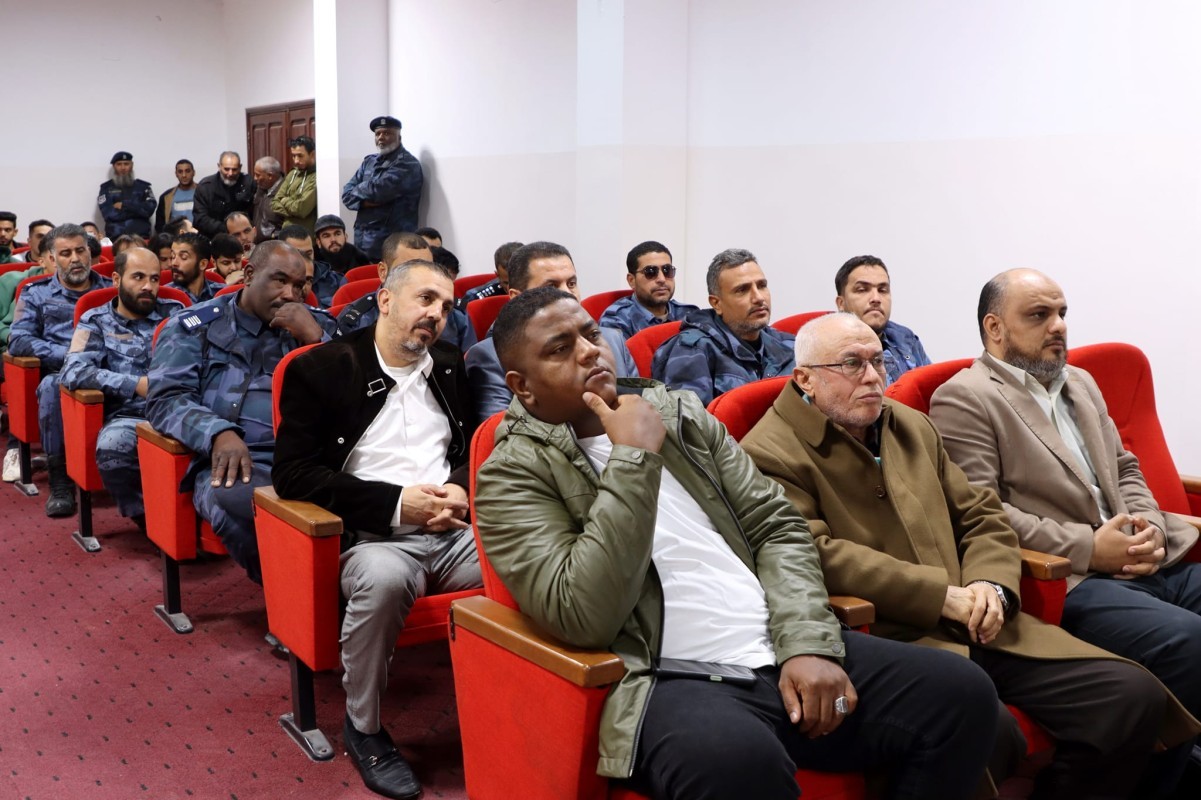
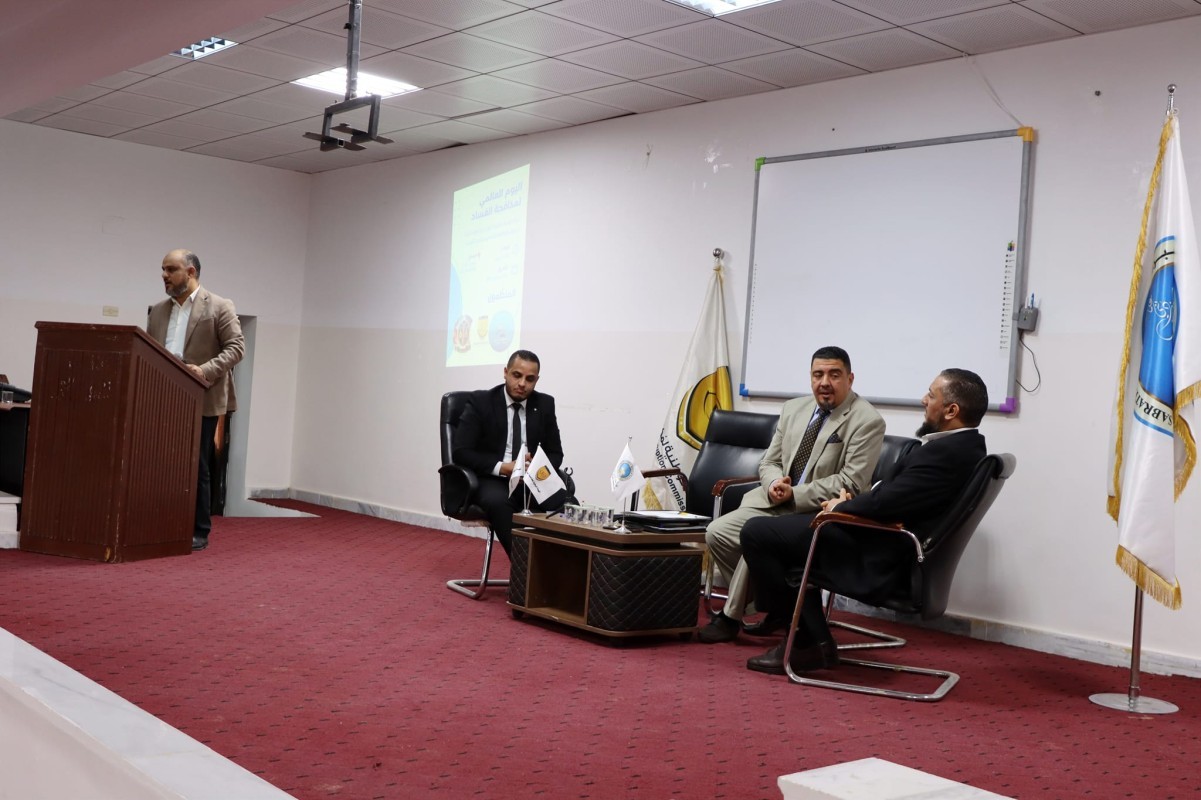
This morning, Monday, December 9, 2024, the Maghreb dialogue seminar on the role of judicial and academic institutions in enhancing the fight against corruption was held at the Faculty of Law in Sorman, University of Sabratha. The event was organized in collaboration with the National Anti-Corruption Authority, the Faculty of Law in Sorman, and the Anti-Corruption Prosecution Office in the western region, in commemoration of the International Anti-Corruption Day.
The seminar was attended by a member of the Constitutional Drafting Committee, the Dean of the Faculty, the General Director of the Libyan House of Culture and Sciences, several members of judicial bodies, legal experts, faculty members, a number of graduates, and members of the follow-up committees in the branches of anti-corruption.
The proceedings of the Maghreb seminar began with verses from the Holy Quran and the national anthem. Following that, there were speeches from the Faculty of Law and the preparatory committee.
The seminar included several topics, including local legislation and international agreements on combating corruption by Professor Haitham Muhammad Al-Koni, a specialist in oversight work standards, the role of the judiciary in combating corruption by Professor Al-Taher Muhammad Azaz, a member of the Anti-Corruption Prosecution Office, and the role of Islamic law in combating corruption by Dr. Ibrahim Al-Ma'loul, a faculty member at the Faculty of Law in Sorman. It also covered the standards of the international anti-corruption agreement by Dr. Hamida Al-Dahesh, a professor of international law.
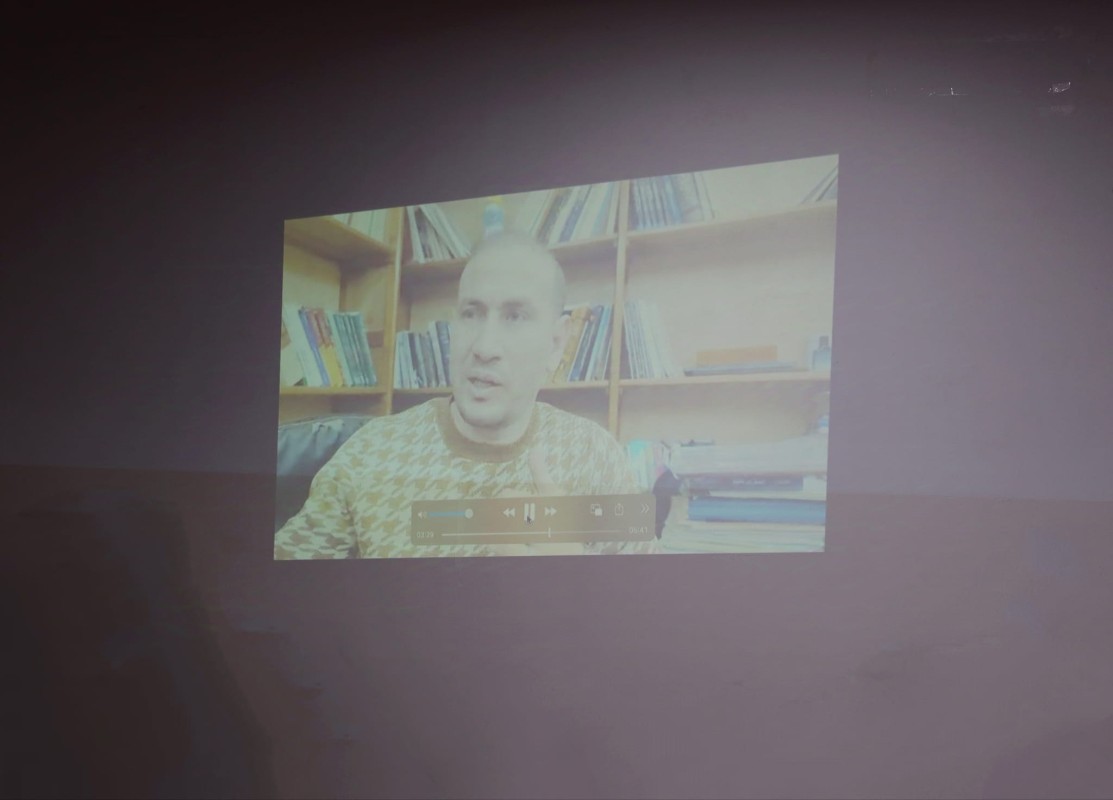
Additionally, the seminar featured contributions via video conference from Dr. Alaa Qudara, Dean of the College of Management at the North American University in Sfax, Tunisia, who highlighted the importance of quality standards in promoting a culture within academic institutions. The video conference also included a contribution from Dr. Adel Maqroun, a faculty member at Algerian universities, who emphasized the importance of educational and academic upbringing methods in combating corruption.
Add New Comment